
TM Brand and info. website and authorized name of Lic. Mortgage Brokerage 11082191 Canada Inc.o/a ‘Broker It’ ON 13336 NS 2023-3000791 NL 24-07-110007 NB 240054445 PEI 727141681 www.brokerit.ca
Newsletters

Should I Sell My Home in 2026? A Retirement Planning Question Many Canadian Seniors Are Asking

Why This Question Keeps Coming Up
More Canadian homeowners approaching retirement are asking the same question in different ways. Should I sell my home before I retire. Should I sell my house in 2026. What happens if my income changes. What options do I really have.
For many seniors, this is not about timing the housing market. It is about protecting independence, managing cash flow, and making sure retirement feels stable instead of stressful.
At Rewind Mortgage, this question often comes from both seniors and their adult children. Everyone wants the same thing. To make the right decision before options quietly disappear.
Canada Is Aging Faster Than Most People Realize
Canada is entering uncharted territory when it comes to aging. Over the next twenty years, the population aged sixty five and older is expected to grow by nearly seventy percent. At the same time, economists have noted that Canada is entering a period of peak aging as the final wave of baby boomers retires and population growth begins to slow.
What this means in real life is simple. People are living longer. Retirement is lasting longer. And relying on savings alone has become harder.
For many households, home equity has quietly become the largest financial resource available in retirement.
Should I Sell My Home Before I Retire
Selling often feels like the obvious answer. It provides a lump sum of cash and removes a mortgage payment. But it also removes flexibility.
Once a home is sold, the decision cannot be undone. The money must be managed carefully. Monthly costs often return in different forms such as rent, condo fees, or retirement residence fees. And the emotional cost of leaving a long time home is often underestimated.
Many seniors later realize that selling solved one problem while creating several others.
Why Staying Put Is Still the Preference for Most Seniors
Most Canadian seniors want to stay in their homes as long as possible. Familiar surroundings, established communities, nearby healthcare, and independence matter more with age.
The challenge is that staying put still costs money. Property taxes rise. Maintenance does not stop. Homes may need accessibility upgrades. Healthcare and everyday expenses continue even after employment income ends.
The real question becomes not whether to sell, but how to access home equity without forcing a move.

Reverse Mortgage Canada: An Alternative to Selling
A Reverse Mortgage allows homeowners aged fifty five and older to access a portion of their home equity without selling their home and without making monthly mortgage payments.
Rewind Mortgage focuses on education first, because Reverse Mortgages are often misunderstood. Homeowners keep ownership of their home. The funds received are tax free. And repayment only occurs when the home is sold, the homeowner moves out permanently, or passes away.
For many seniors, a Reverse Mortgage becomes a way to supplement retirement income, cover rising expenses, renovate the home for aging in place, or simply reduce financial anxiety.
Reverse Mortgage vs HELOC in Retirement
One of the most common questions Rewind Mortgage hears is whether a Reverse Mortgage or a HELOC makes more sense.
A HELOC usually requires regular payments and qualification based on income. It often works best for homeowners who still have strong employment income or predictable cash flow.
A Reverse Mortgage does not require monthly payments and qualification is based more on age and home value than income. For retirees on fixed income, this can provide stability when cash flow is tighter.
Neither option is better in every situation. What matters is understanding the difference before making a permanent decision like selling.
Why Timing Matters Before Retirement Income Changes
This is one of the most overlooked parts of retirement planning.
Many homeowners wait until after they retire to explore financing options. By then, income has shifted from employment to pensions and investments. Even with strong net worth, qualifying for traditional mortgages or HELOCs can become more difficult.
This is why many seniors choose to review their mortgage, refinance, or set up a HELOC before retirement income changes. Having access in place early often provides flexibility later, even if funds are not needed right away.
Once retirement begins, options can narrow quietly.
Why Selling in 2026 May Not Be the Best First Step
Selling because the market feels uncertain or because income is changing can feel responsible. But for many seniors, it removes the most flexible asset they have.
Alternative financing options like Reverse Mortgages or properly structured HELOCs often allow homeowners to stay in control longer. They can delay selling, preserve other savings, and avoid making rushed decisions during stressful transitions.
The goal is not to avoid selling forever. It is to avoid selling too early.

Why Family Conversations Matter
These decisions rarely affect only one person. Adult children are often involved emotionally, financially, or both.
Rewind Mortgage encourages open family discussions early. When everyone understands the available options, fear is replaced with planning. Many families find relief knowing there are ways to support parents without forcing them to leave their home or rely on family assistance.
A Better Question to Ask
Instead of asking should I sell my home in 2026, a better question is often this. How can my home support my retirement before I give it up.
With Canada’s senior population growing rapidly and retirement lasting longer than ever, flexibility matters more than perfect timing.
Final Thought
Selling a home in retirement is one of the most permanent financial decisions a person can make. It should not be driven by headlines, fear, or incomplete information.
For Canadian seniors and their families, understanding options like Reverse Mortgages, HELOCs, and alternative financing before retirement income changes can make a meaningful difference.
Rewind Mortgage, led by Peter Fabry, specializes in helping seniors and their families understand how home equity can be used thoughtfully as part of a long term retirement plan.
To start a conversation or learn more, contact Rewind Mortgage at (289) 312 6333 or email [email protected].
The best decisions are not rushed. They are informed.
Rewind Mortgage is dedicated to seniors’ financial independence. Under Peter Fabry’s leadership, we blend empathetic service with creative mortgage solutions to help you enjoy life on your terms.

Calculate What You Might Qualify For
What Our Customers are Saying About Us

Marcel L.

Grateful for Peter Fabry and all his help! It's been a lifesaver, supplementing our income and allowing us to travel during retirement. With the rising cost of living, Peter's guidance made the process easy and stress-free. Highly recommended!

Carole & Robert O.
Thanks to Peter Fabry, we upgraded our home with a reverse mortgage, avoiding the need for a care home. Peter's expertise and personalized approach made the process seamless. Highly recommended for seniors seeking financial freedom while aging in place!

James & Cynthia B.
We had an excellent experience working with Peter! He guided us through securing a Home Equity Line of Credit on our mortgage, which turned out to be a better fit for our financial goals. The process was stress-free, and we are relieved to have it sorted out. We highly recommend speaking with Peter for your mortgage needs!
Get In Touch
Address
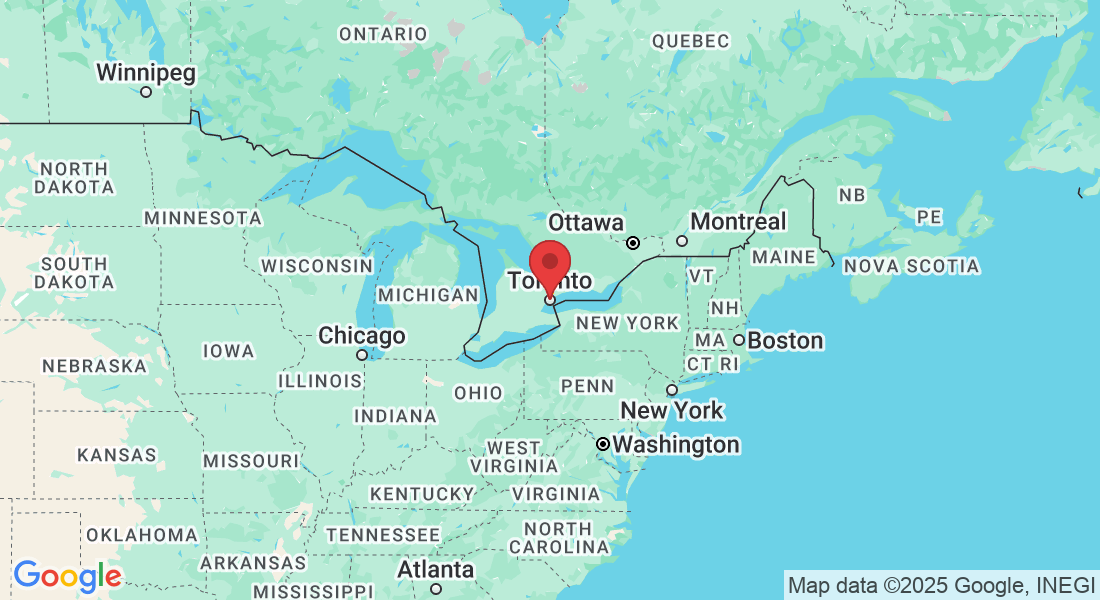
Office: Toronto, Ontario
Email: info@rewindmortgage.ca
Assistance Hours
Mon – Fri 9:00am – 6:00pm
Saturday – By Appointment Only
Sunday – CLOSED
Phone Number:
(289) 312-6333
Sit back, relax, and let us find the best product for you.
Discover the positive impact of reverse mortgages tailored for those who need financial support.
For information on alternatives to reverse mortgages visit www.brokerit.ca
© 2026 Rewind Reverse Mortgages. All Rights Reserved.
.
Rewind Mortgage © All Rights Reserved. Brand, website & social media presence owned and managed by affiliated Lic. Mortgage Brokerage 11082191 Canada Inc.o/a ‘Broker It’ (ON 13336 NS 2023-3000791 NL 24-07-110007 NB 240054445 PEI 727141681) to inform & provide information specific to those 55+. This is an information website. Rewind is not a mortgage brokerage. For mortgage applications & advice you will speak with a licenced Agent/ Underwriter. Restrictions may apply. Subject to credit approval. By submitting your information you consent to us contacting you by text, email, or phone. For more details on how we handle and protect your data, please refer to our full
Privacy Policy
.